Coming soon  ·  Wichita, Kansas  ·  1963

TheBone
Yard
Boys

A true story of grit and determination

Fifteen teenage scrappers. A rookie coach. Arguably the worst baseball diamond in Kansas. An underdog story sixty years in the making.

A story that sets you down in the early 1960s — in the uncertainty and wonder of being sixteen — and reminds you there was always more at stake than the score.

Printed through Barnes & Noble Press  ·  Soon on Amazon

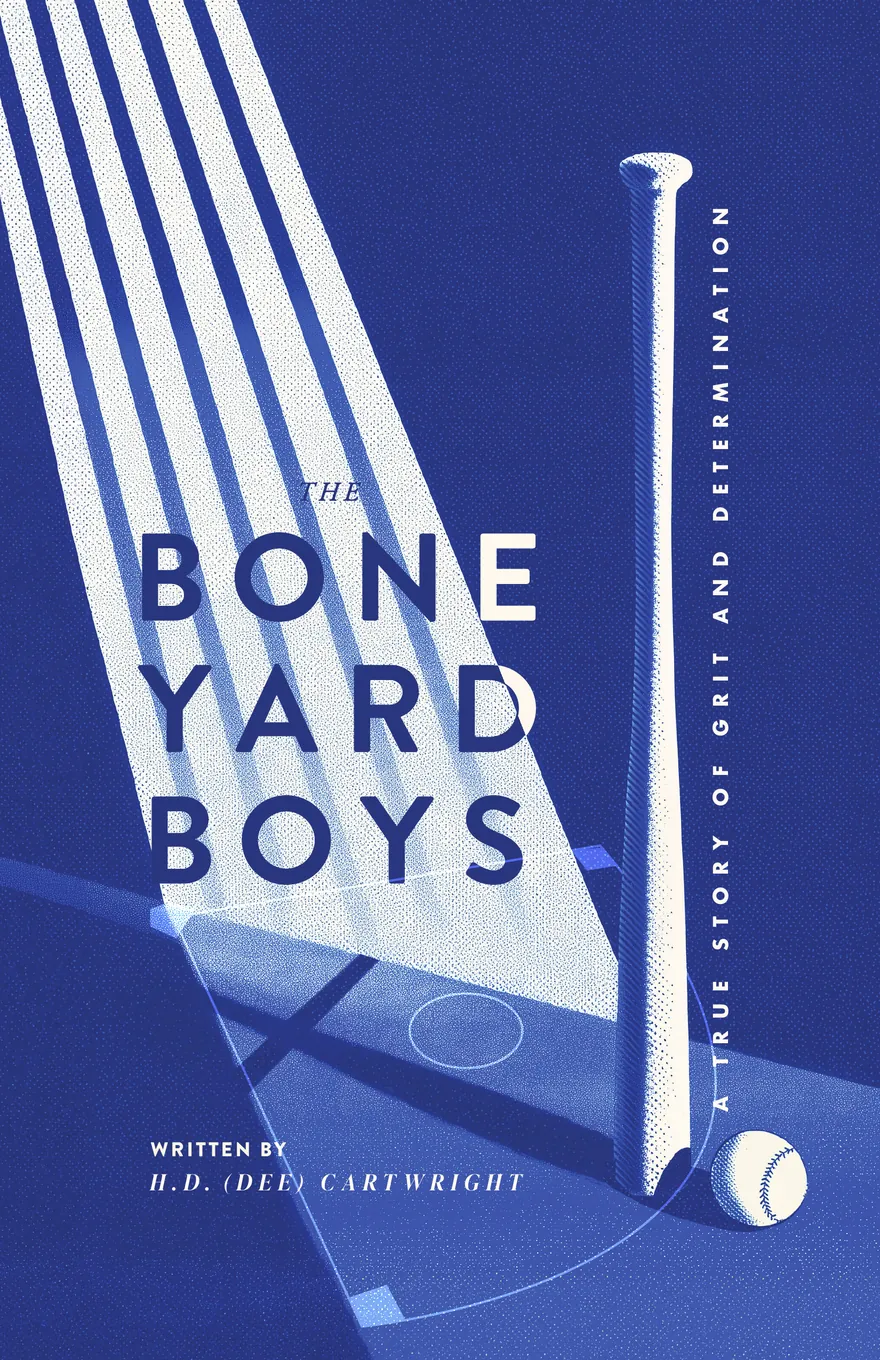
Cover of The Bone Yard Boys by H.D. (Dee) Cartwright — a true story of grit and determination

From the preface

Sixty years is a long time to sit with a story.

Long enough for the rough edges to wear down. Long enough for the arguments to fade, the details to blur, the losses to soften into something almost noble. Long enough, if you're not careful, to turn what really happened into something tidy. Something safe.

But that's not what this is. This story didn't stick because it was easy. It stuck because it was hard. Because the odds said it couldn't work out the way it did.

H.D. (Dee) Cartwright  ·  Preface

Illustration of a Kapaun player holding a hand-lettered sign reading The Bone Yard Rocks

The field

The tenth man

They named it the Bone Yard, and they meant it as an insult. Rocks came up out of the Kansas clay faster than fifteen boys could carry them off — small ones, the size that turns a routine grounder into a trip to the dentist. Before they could practice, they walked the field shoulder to shoulder and picked it clean. A hundred rocks, most days. Then they did it again.

Visiting teams hated it. One shortstop took three bad hops in a single afternoon, threw his glove down and announced the place was cursed. His coach made him limp right back out to it.

But the rocks played for Kapaun. In one game a city rival committed ten errors on that field; Kapaun committed none. The players voted the Bone Yard the game’s most valuable player, and started calling it the tenth man.

Then the irony arrived. Word got around, and nobody would come play them at home anymore — so a team with the worst diamond in Kansas spent its championship season on some of the finest fields in the city. The Bone Yard, retired against its will, went right on doing what it did best. It just did it at practice.

Kapaun players clearing limestone rocks from the Bone Yard baseball field by hand in Wichita, Kansas

Somebody had to write it down

Coach Dave Egan's open notebook listing repairs to the Bone Yard field and equipment needed for the season

Dave Egan had a problem on his hands. What he made of it changed the way fifteen young men would see the rest of their lives.

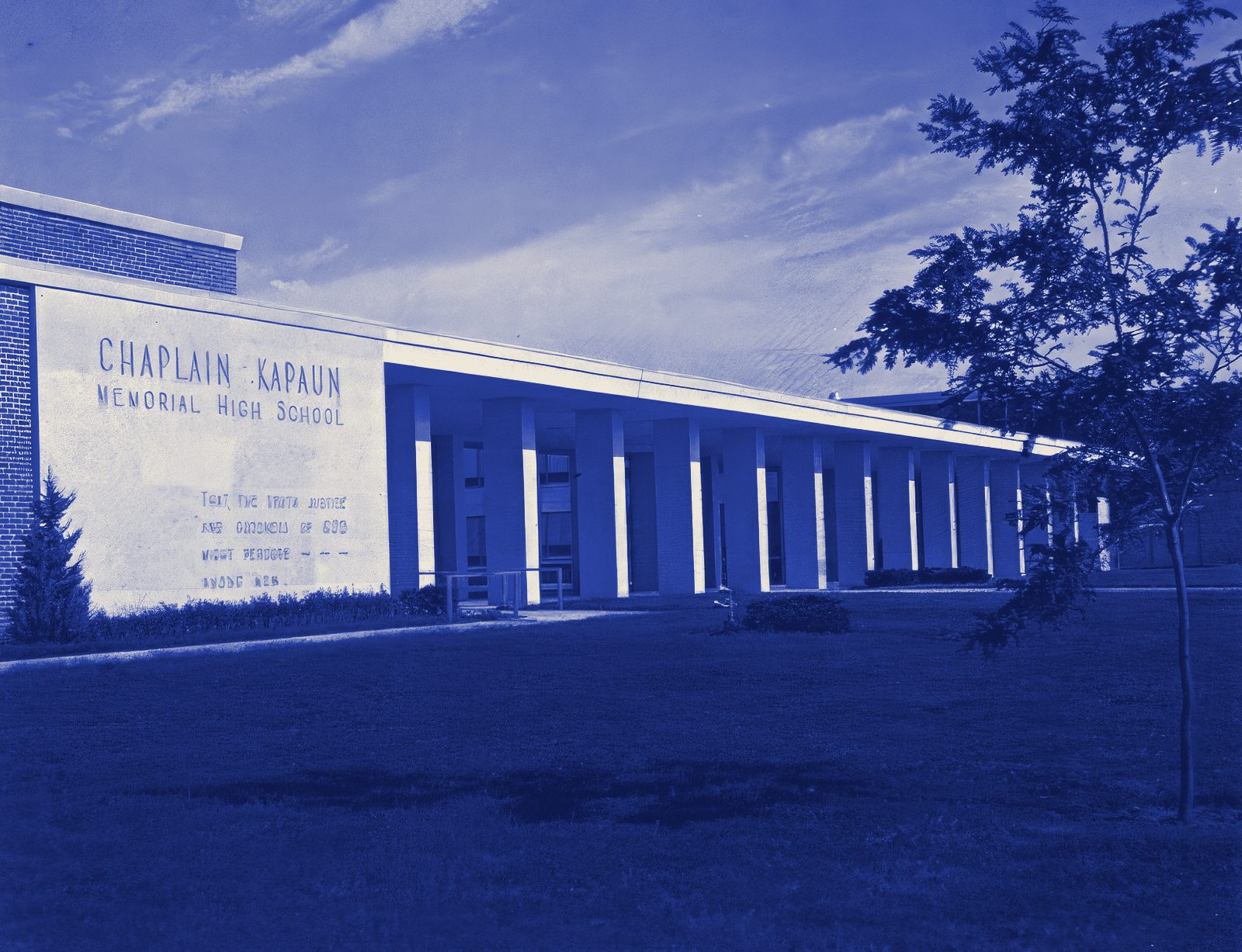
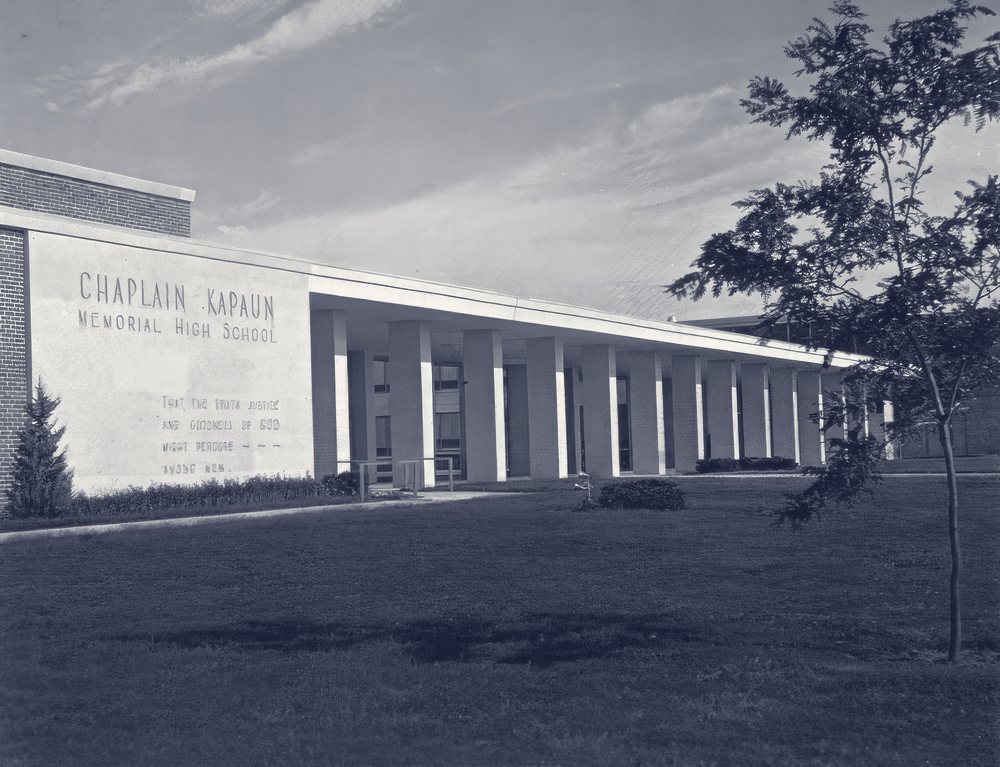
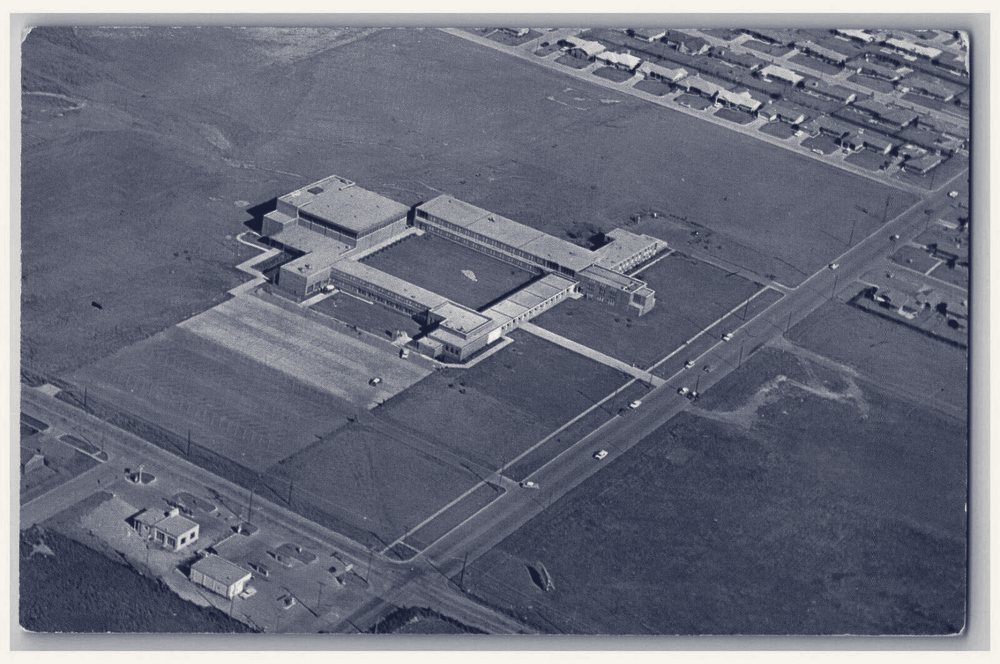
Chaplain Kapaun Memorial High School, Wichita, Kansas, circa 1956

Chaplain Kapaun Memorial High School  ·  Wichita, Kansas  ·  circa 1956

More than just a name on a building

The school was built
on a promise

Engraved portrait of Chaplain Emil J. Kapaun, Medal of Honor recipient and namesake of Kapaun Memorial High School
Chaplain Emil J. Kapaun  ·  1916 – 1951

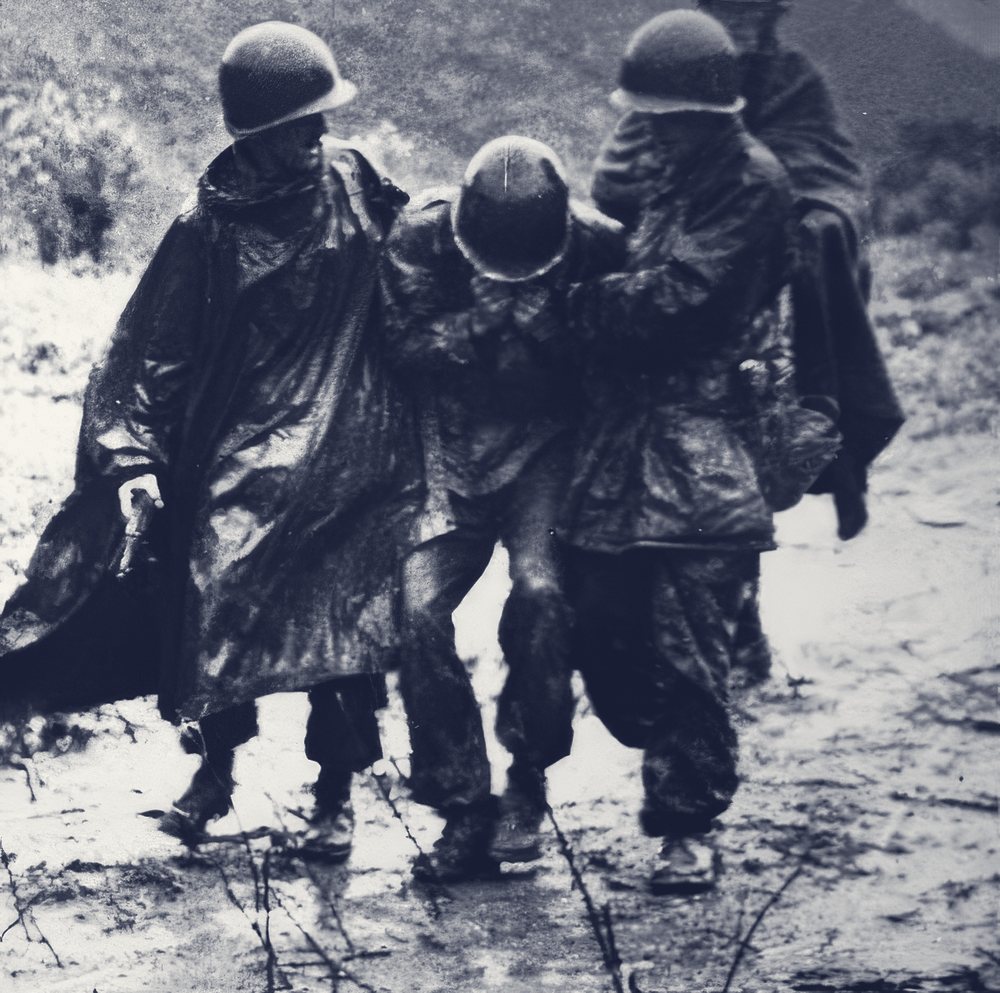
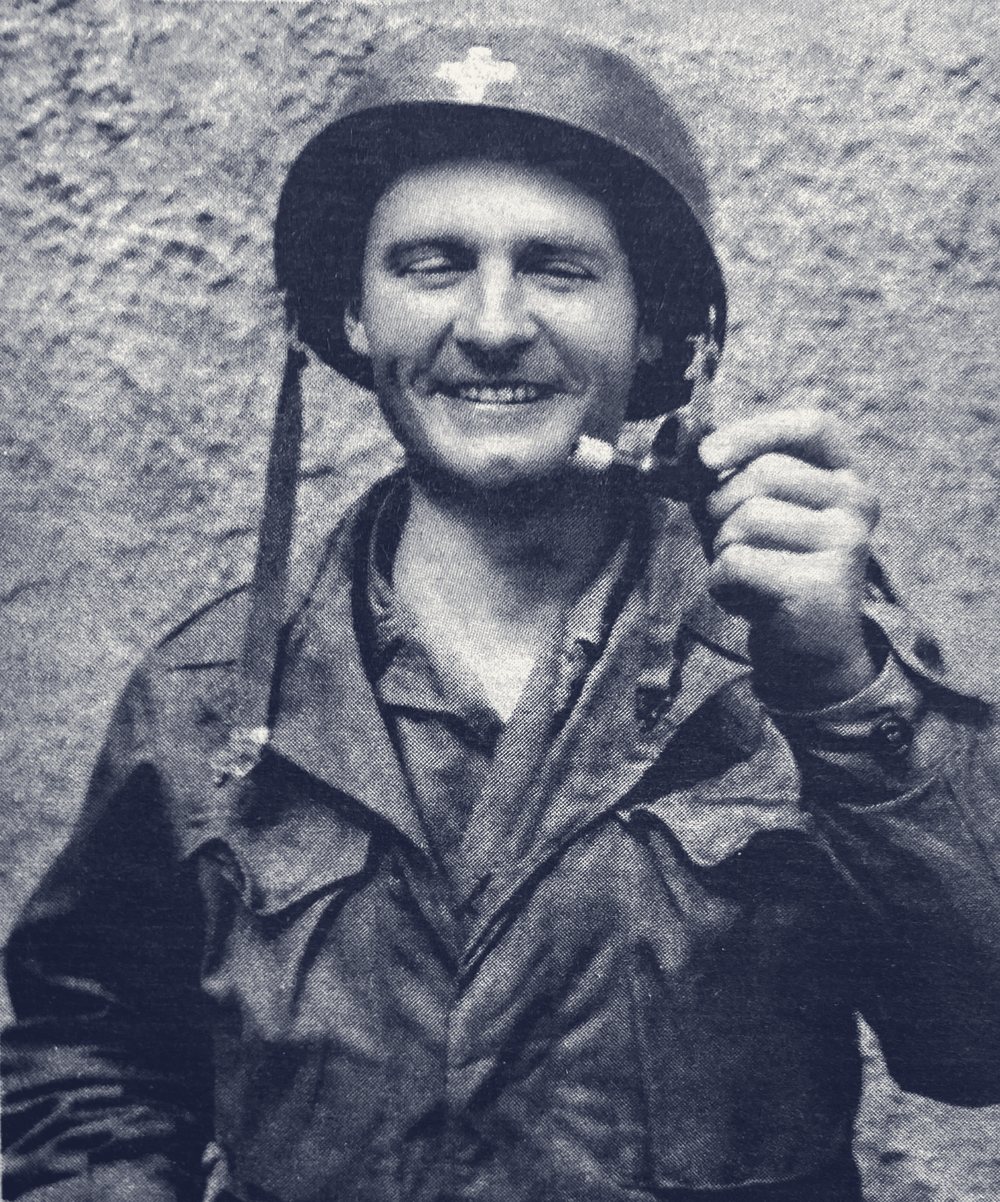
On November 2, 1950, at the Battle of Unsan, Chaplain Emil Joseph Kapaun was captured because he would not leave the wounded behind. In the prison camps he gave away his rations, stole food to keep other men alive, and stayed beside the dying until the end. He died on May 23, 1951. The Medal of Honor took another sixty-two years.

The men who survived those camps refused to let him be forgotten. They raised the money themselves and built a school in his name, opened in Wichita in the fall of 1956.

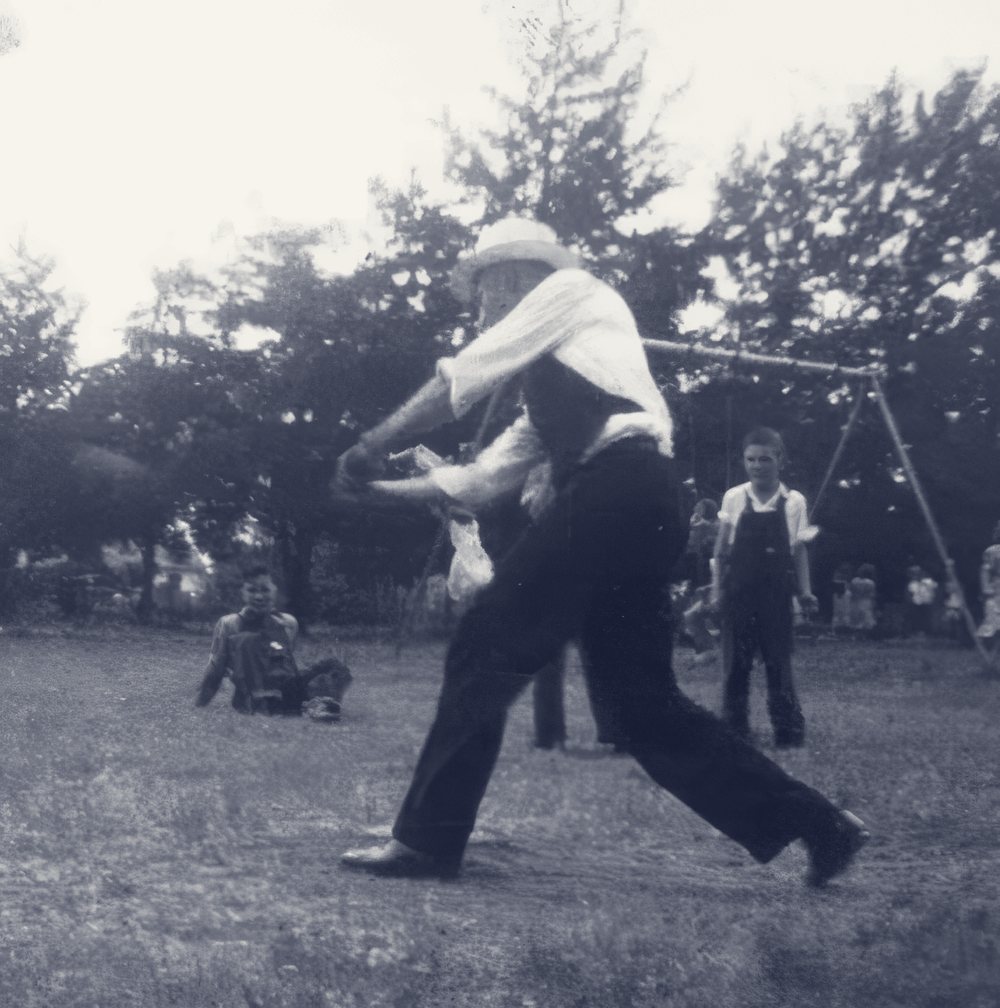
Nearly every surviving photograph of him at play is a baseball photograph.

Seven years later, a young team would carve a storied baseball program out of the limestone rocks of the Kansas soil. When they reached the state final, they realized the week they were playing was the week he had died, twelve years before. Their coach told them so, led them in an Our Father, and said, “Father Kapaun — pray for us.” The whole team said it back.

Chaplain Kapaun lives and will live in the walls of the new high school in Wichita.

Bishop Mark Carroll  ·  September 6, 1956

1961 – 1963

The Cardiac Kids

Thirty-cent gasoline. Black and white television. The sound of wooden bats. A young Catholic president and a country sure of itself.

And in Wichita, a team nobody had any reason to watch, playing its way toward the 1963 Kansas State Baseball Championship — coming apart and holding together, more than once, along the way.

Illustration of Kapaun Crusaders pitcher Tony Mayer in his delivery, 1963
Illustration of the 1963 Kapaun baseball team crowding around a Triumph TR3 roadster in Wichita

“Are there any questions?”
“Yeah, I’ve got a question — Mr. Kentling, what year is your car?”

Bill Jensen  ·  the day the sportswriter brought his Triumph TR3 to practice

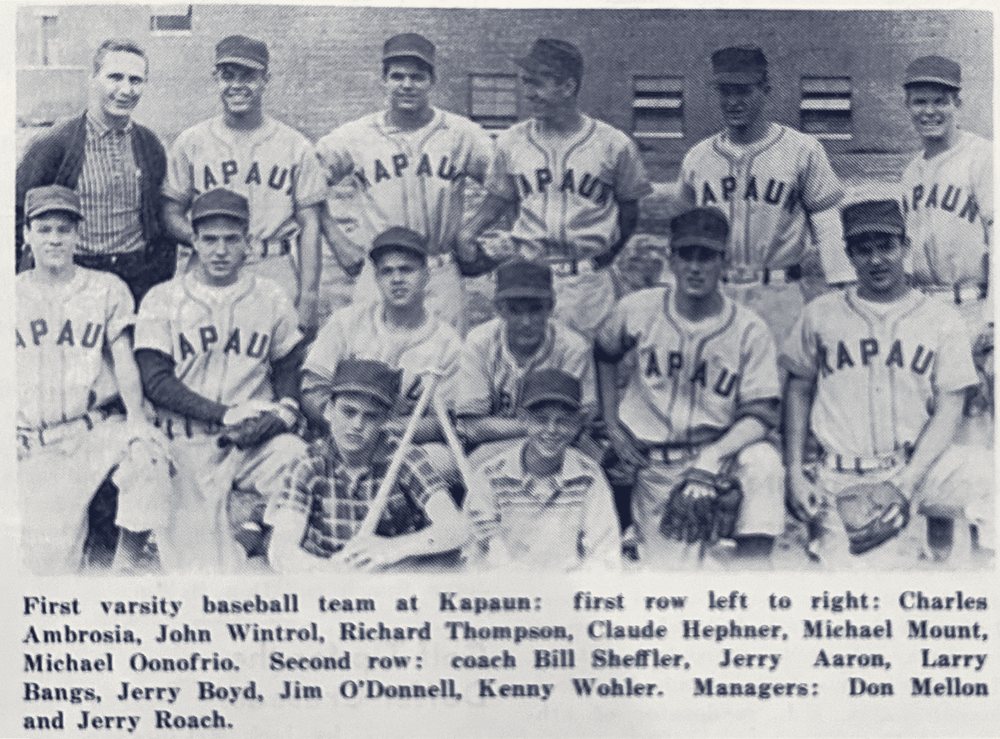
The 1963 Kapaun Crusaders, Kansas state champion high school baseball team, Wichita
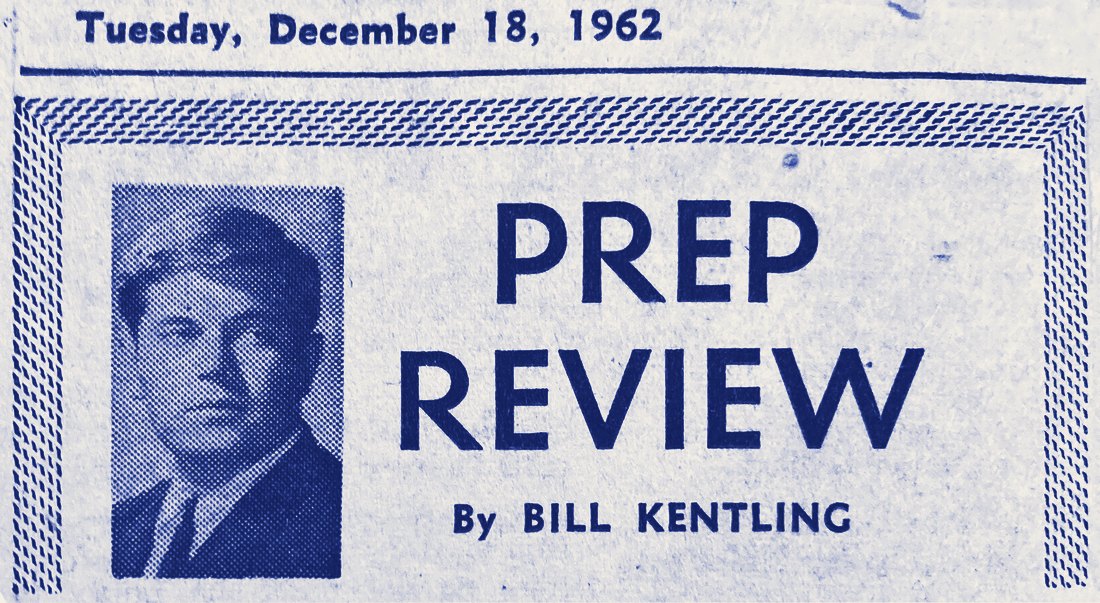
Prep Review sports column by Bill Kentling in the Wichita Eagle-Beacon, December 18, 1962
Wichita Eagle-Beacon  ·  December 18, 1962
Enjoy the ride. When you finish, you may never whine again.

Bill Kentling  ·  Prep Editor, Wichita Eagle-Beacon  ·  From the Foreword

Illustration of a meeting in the coach's office at Chaplain Kapaun Memorial High School

The men who wrote it

Told by the boys
who lived it

"I pity the poor soul who takes on the writing of a book as a solitary effort."

Three teammates surveyed and interviewed every one of the eleven remaining players — and their coach — then met with him every few weeks for his perspective and his blessing. What they built is not a memoir. It's the team's account of itself, checked against itself.

H.D. (Dee) Cartwright

Author. Carried the writing, and reluctantly agreed to put only his name on the front.

Leo (Andy) Anderson

On board from the get-go. Co-conducted the interviews with every surviving teammate and researched every fact, on the field and off.

Hiram (Hi) Lewis III

Joined midway with the memories and much of the editing — each one placed, like the curveball that ended the 1963 season, exactly where it needed to go.

Afterward

What became
of them

There was no banquet. The season ended too late in the school year, and the Jesuits were not in the habit of making much of sports. Finals were the next morning — math, physics, and fourth-year Latin. The only official notice came in the next fall’s first football program, by which time the seniors had scattered.

The trophy went missing in the move to Mt. Carmel. It had to be hunted down for the fortieth reunion — and when they found it, they discovered one player’s name had never been engraved on it at all. Putting that right took a small ceremony, forty years late.

One teammate was never found alive. Rich Harrison surfaced in a search of his own obituary, a Vietnam veteran who had come home to a hard life.

Andy Anderson, Hi Lewis, Coach Dave Egan and Dee Cartwright of the 1963 Kapaun Crusaders, together decades later
Andy, Hi, Coach and Dee  ·  the 1963 team photograph on the wall behind them

And in 2022, four old men in Kapaun ’63 jerseys were watching a Crusaders game when a grandfather came over to ask who they were. “Well I’ll be darned,” he said. “My name is Rob Wright. I was your batboy. I was in the dugout with you that night.” There had always been a boy on one knee in the championship photograph. For sixty years, nobody could remember his name.

This is the game you will remember all your life. Fifty years from now I hope we can all look back, smile, and say — we did it.

Dave Egan  ·  in the locker room, May 20, 1963

They held the reunion in 2013.

The archive

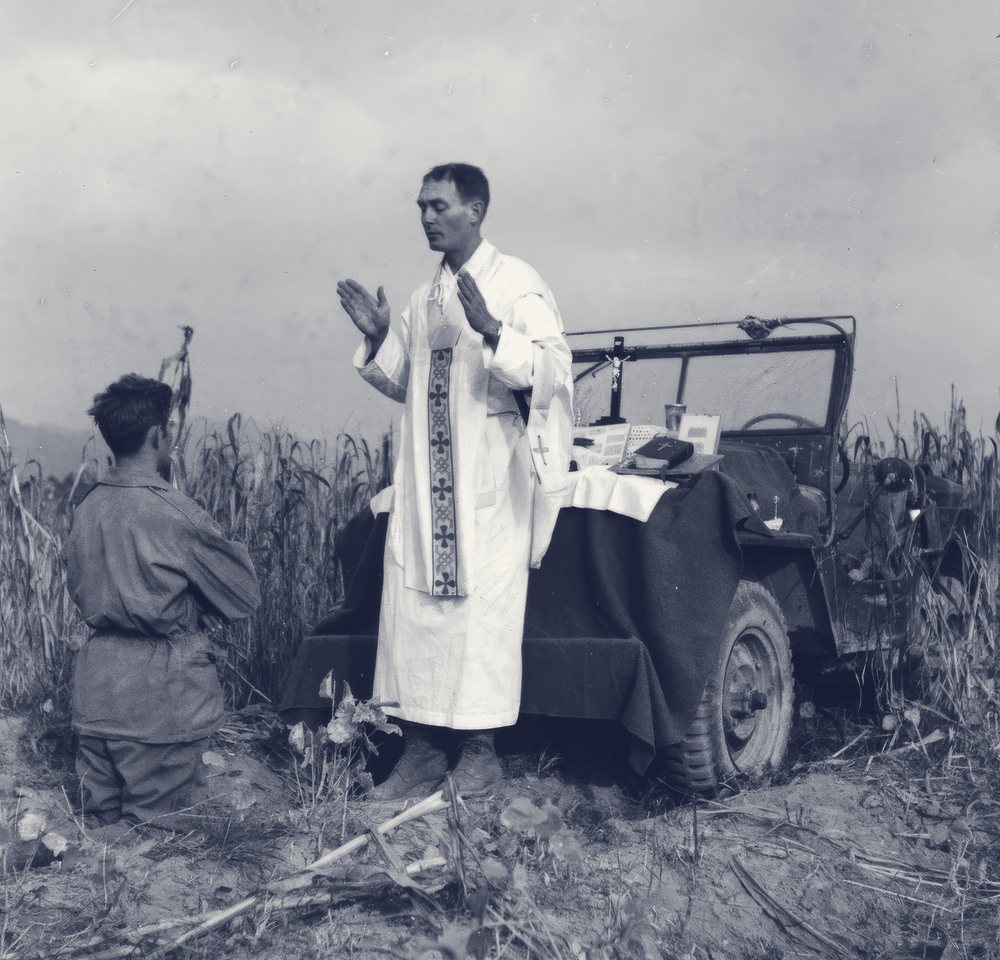
Venerable Emil J. Kapaun
1916 – 1951

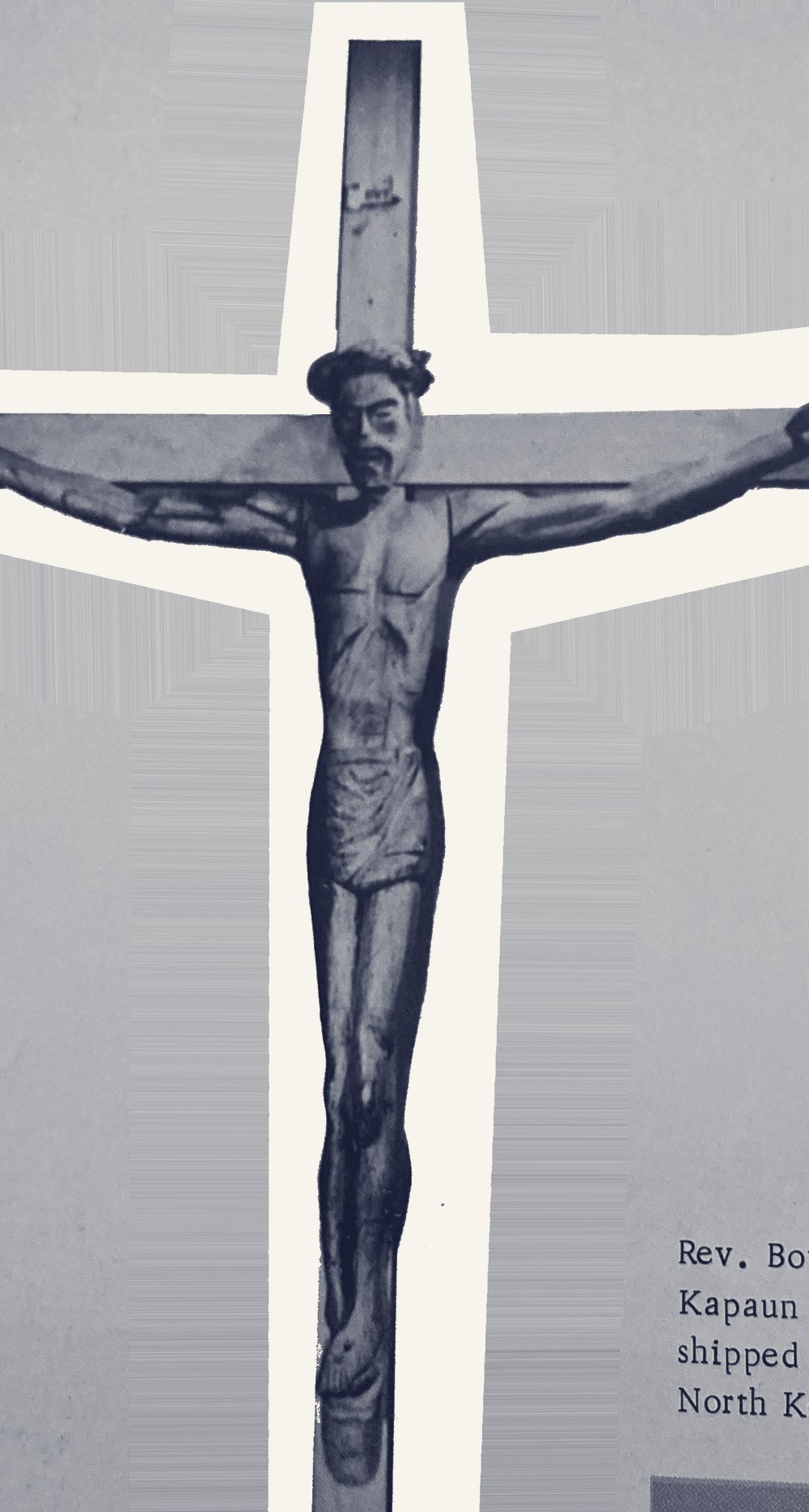
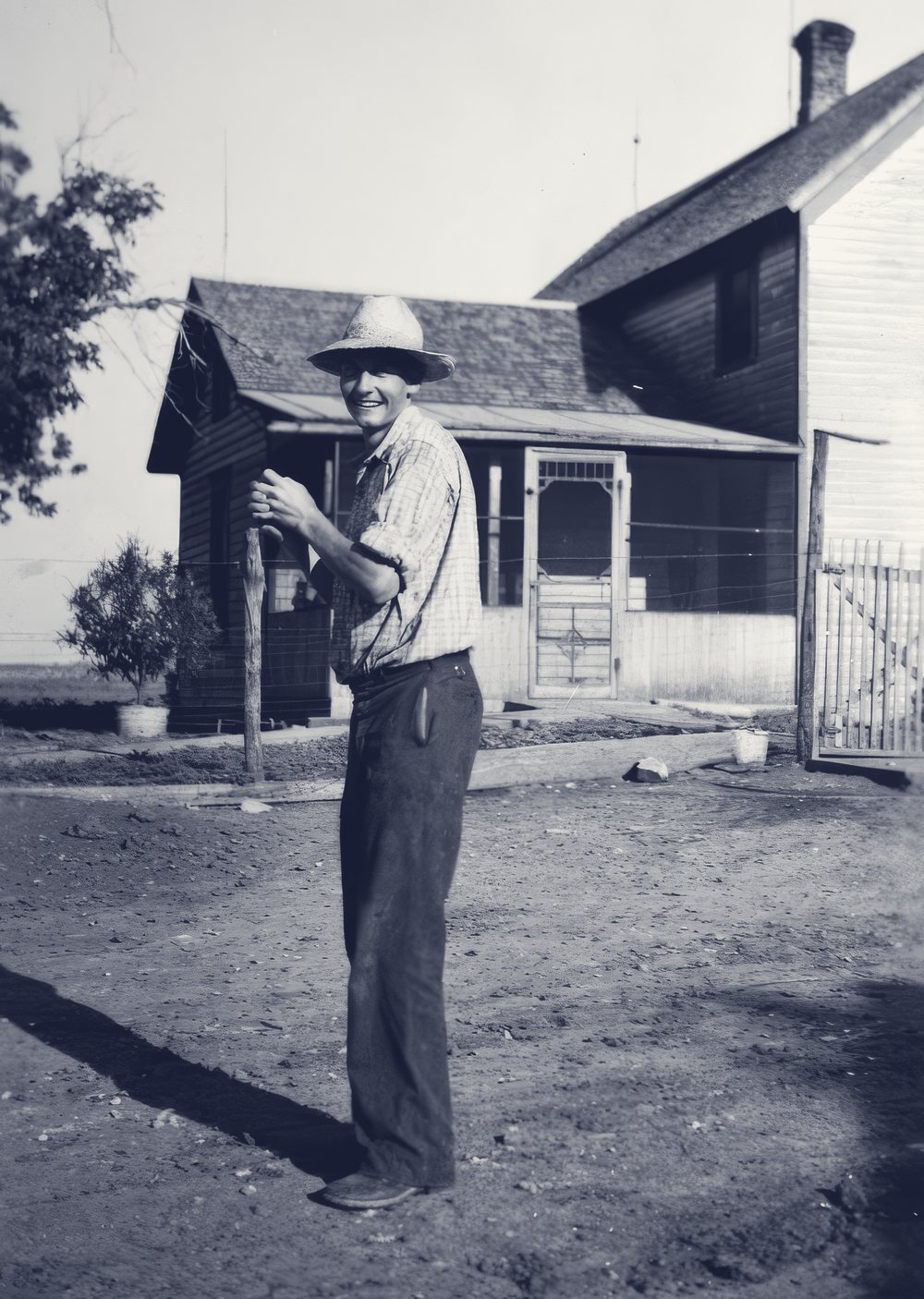
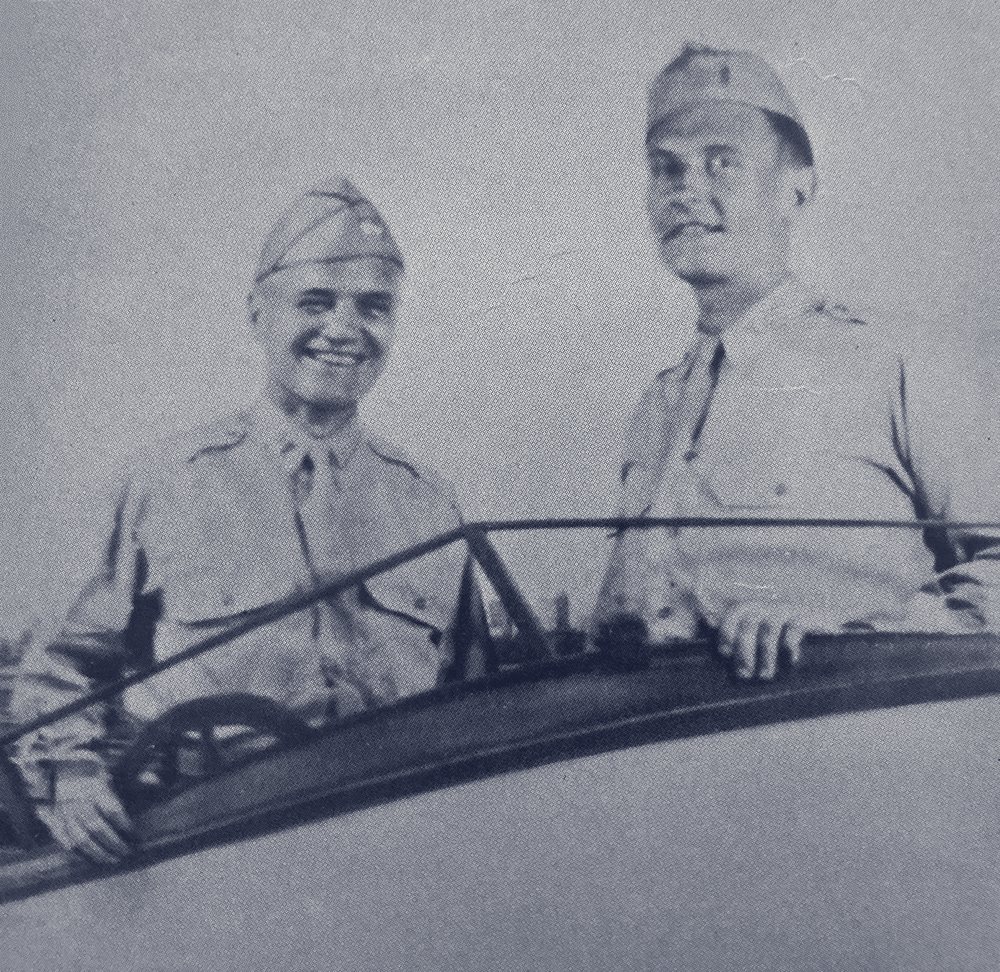
A Catholic priest from Pilsen, Kansas, and a United States Army chaplain in World War II and Korea. Captured at the Battle of Unsan on November 2, 1950, he died in a North Korean prison camp on May 23, 1951. He was posthumously awarded the Medal of Honor in 2013; his remains were identified in 2021 and returned to Wichita, where he is entombed in the Cathedral of the Immaculate Conception. Pope Francis declared him Venerable on February 24, 2025. These photographs appear in the book.

Photographs courtesy of the Catholic Diocese of Wichita, the Kapaun family and U.S. Army archives  ·  reproduced in The Bone Yard Boys

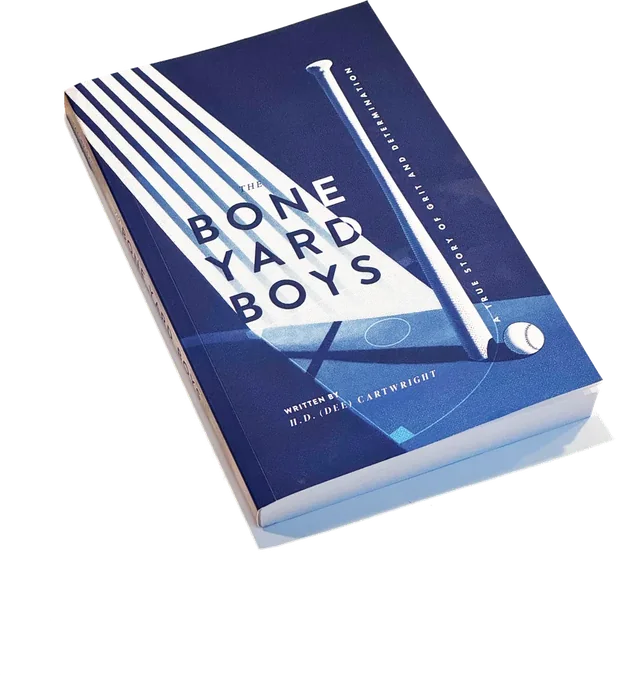
The Bone Yard Boys paperback, printed through Barnes & Noble Press
Paperback  ·  5.5 × 8.5  ·  Barnes & Noble Press

Before you ask

Questions we get

Is The Bone Yard Boys a true story?

Yes. It is a nonfiction account of the 1963 Kapaun Crusaders and their run to the Kansas state baseball championship, written by teammate H.D. (Dee) Cartwright with Leo (Andy) Anderson and Hiram (Hi) Lewis III. The three surveyed and interviewed all eleven surviving teammates and met with coach Dave Egan every few weeks while writing it.

What was the Bone Yard?

It was what the players called their field: a stretch of Wichita ground that gave up limestone faster than fifteen boys could haul it away. They cleared it by hand before they could play on it. The name stuck, and so did the story.

Who was Father Emil Kapaun?

A Catholic priest from Pilsen, Kansas, and a U.S. Army chaplain who was captured at the Battle of Unsan in 1950 after refusing to leave wounded men behind, and who died in a North Korean prison camp in 1951. He received the Medal of Honor posthumously in 2013 and was declared Venerable by Pope Francis in February 2025. The men who survived those camps raised the money to build a school in his name.

Does the school still exist?

Yes, under a different name. Chaplain Kapaun Memorial High School opened in Wichita in the fall of 1956 and merged with Mt. Carmel Academy in 1971 to become Kapaun Mt. Carmel Catholic High School — KMC, as generations of Wichita families know it.

What is it like?

If Hoosiers, The Sandlot, Field of Dreams, Rudy and The Rookie are your shelf — or The Boys in the Boat and Friday Night Lights — this is that country. A small program, long odds, and a season that came to mean more than the trophy.

Where can I buy it?

The Bone Yard Boys is printed through Barnes & Noble Press and will be available on Amazon. Leave your email below and we’ll send one note the day it’s listed.

On sale soon

Know the day
it goes on sale

The Bone Yard Boys is printed through Barnes & Noble Press and will be available on Amazon. Leave an email and we'll send one note the day it's listed. Nothing else.

One email. No list sharing. Unsubscribe any time.

Amazon  —  coming soon Printed through Barnes & Noble Press Paperback  ·  5.5 × 8.5